
Burnout Recovery for Women: Recognize, Heal, Rebuild

Every time I felt burnout coming, I thought burnout recovery meant rest or changing environments. I would take a vacation or even switch jobs. I just needed to “fix” the one variable that was causing the issue…right?
By the time I realized that this wasn’t the answer, my body had been in overdrive for years. My Hashimoto’s and PCOS were flaring, my motivation was gone, and even the simplest routines felt impossible. I kept trying to “fix” myself with different ‘wellness protocols’ and more discipline or structure. Nothing worked until I stopped approaching healing like a task to check off my to-do list. To truly heal, I had to develop a better relationship with my body, mind, and soul.
In this post, we’re going to walk through what true burnout recovery looks like. I’ll share the steps I used to recover and help prevent future burnout. You will also get access to my burnout recovery workbook for free!
TLDR
I promised shorter blogs, but here I am still giving you blogs with 15-minute reads. I just want to share all the info! So here is a quick synopsis of the below for those looking for the Cliff Notes version!
If you’ve tried to “fix” burnout by resting, changing jobs, or forcing more structure, you’re not alone. And, it’s probably why recovery hasn’t stuck. True burnout recovery isn’t about doing more or less; it’s about doing things differently.
Here’s the short version:
Rest and reset your nervous system with simple, science-backed tools like breathwork and grounding.
Simplify and set boundaries to create space for healing instead of constantly patching holes in a sinking boat.
Reconnect with yourself through journaling, creativity, or coaching to rebuild self-trust and joy.
Fuel your body with enough nutrients, sleep, and low-stress movement to restore balance.
Rebuild routines that support your energy and recovery.
Healing takes time, especially if you’re managing chronic illness or neurodivergence, but it’s possible. The key is slowing down, listening to your body, and rebuilding from a place of safety. Download my Burnout Recovery Workbook below for a 30-day guide to help you start today. And check out the article below for an in-depth look into burnout recovery!
- As a note: The content of this blog is not intended to diagnose, treat, cure, or prevent any disease. It is important to consult with a qualified healthcare professional before making any changes to your diet, exercise, medication, or other health-related routines
- This article contains affiliate links. These links reflect my honest recommendation of products/services, but I may receive compensation if you purchase using my links. As an Amazon Associate, I earn from qualifying purchases
- For additional on these notes, please review our Disclosure Policy
What Does Burnout Recovery for Women Look Like?
Burnout recovery cannot truly happen until you have identified the root cause. Read about that here. You also need to work to restore your body and mind. Simply resting is not enough.
For women, especially those navigating hormonal imbalances, chronic illness, or neurodivergence, burnout recovery requires a different kind of healing. The mentality of ‘just push through’ just doesn’t work. You have to learn how to pause, listen, and rebuild from the inside out. The beauty is, your body and mind already know how to heal. It just needs the space and support to do it. So where do you even start?
Rest and Nervous System Reset

Although rest isn’t the solution, it is an important first step. Take actions that allow your body to come out of fight or flight mode and begin to heal. This might mean picking a quiet room to decompress at lunch. Or, take 10 minutes after the kids go to bed to focus on your breath. Or, a weekend getaway if you are able.
In my last article, I mentioned the HPA axis and how stress triggers certain chemicals to be released. Our goal is to do the opposite, give your body the signal of safety, and calm the nervous system.
So, what are the things that calm the nervous system? There are quite a few, but these are some of my go-tos that are science-backed1,2:
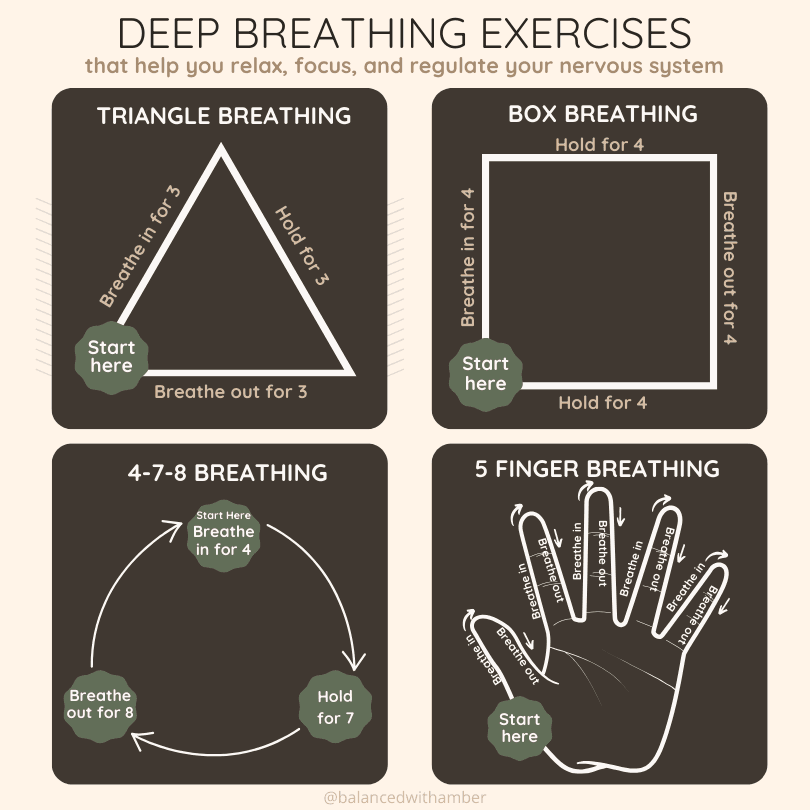
- Breathwork: Slowing down the breath is key. When your exhale is slower than your inhale, you stimulate your vagus nerve. This slows your heart rate and moves your body into the “rest and digest” state. My favorite breath is simply 4-7-8 (inhale for 4, hold for 7, exhale for 8)
- Humming, Chanting, or Singing: This also stimulates the vagus nerve, calming your body.
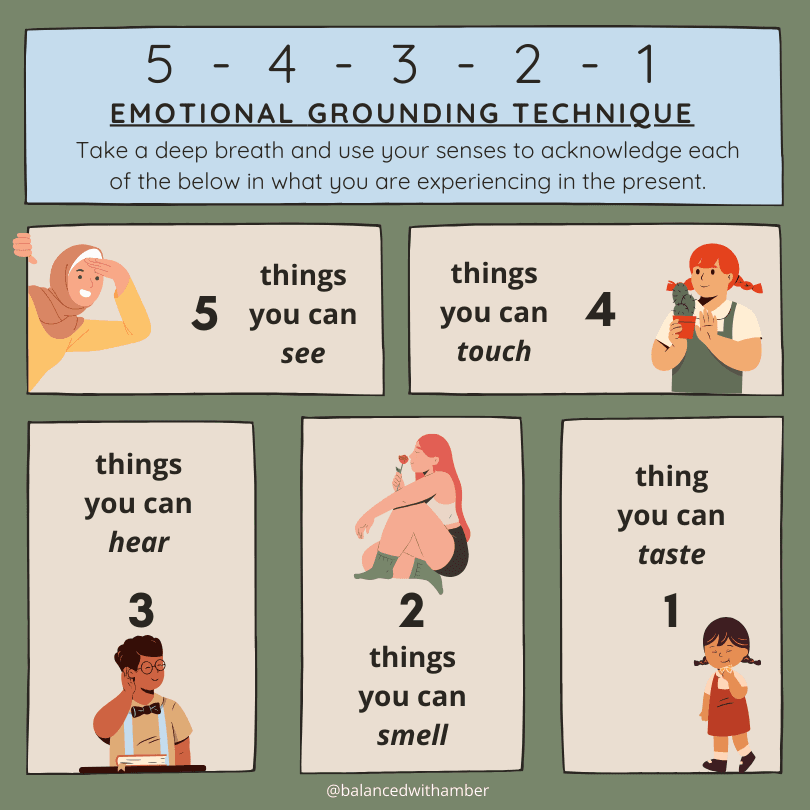
- Grounding Exercises: My favorite is 5-4-3-2-1 grounding.
- Movement: Walking, stretching, somatic movement, yoga, and even dancing can help calm your nervous system.
- Meditation and Mindfulness Exercises: There are many forms of mindfulness and meditation – guided, movement, etc. For beginners, a guided meditation is a great starting point. Try one of the many apps out there. Or, reach out to me here to discuss a guided meditation session or recordings.
- Sensory Techniques: Splashing cold water on your face, weighted blankets, rocking, or other sensory activities are also great ways to calm the nervous system.
Simplify, Slow Down, and Establish Boundaries
You cannot rebuild when your plate is overflowing. Recovery means making space. It is asking: What single obligation can I drop this week? What can I say no to so my body can have the space to heal?

Women especially often carry additional invisible burdens: emotional, caregiving, and other responsibilities. Examine areas where you are holding additional weight in your life. Can you set a boundary? Can someone in your life help with that burden?
Setting boundaries can be tough. People may push back. It is a give-and-take process. But, you deserve to have people respect your boundaries. Personally, I have much happier and healthier relationships with those I have set appropriate boundaries with.
The Sinking Ship
In this part of recovery, you have to be okay with letting people down and things falling through the cracks. Think about it this way. Imagine you are on a boat with holes in it. Everyone wants your help. You are running around trying to fix all the holes. You become exhausted and can’t do anything more. The boat sinks
Now imagine the same boat. Instead of running around, you delegate tasks and tell people to focus on the things that they can. You take care of the most important tasks/holes. Not everyone is relying on you to fix it all. They start to work on their own. You manage what you can without burning out. The boat stays afloat.
You have now taught people how to help themselves going forward. They do not have to rely on you for every task. Are there going to be people who get mad, sit in the corner, and refuse to help? Yes. And, are there holes that take longer to fix or are handled differently than you would? Also, yes. But this is the scenario that keeps everyone afloat and you healthy.
When your nervous system is allowed to experience safety repeatedly through slowing down and setting boundaries, the recovery process accelerates.
Reconnect With Yourself
This is an important step in burnout recovery that I missed for years. Burnout disconnects you from who you are and what you need. Healing requires tuning back in and doing the inner work to nourish your body, mind, and soul. Journaling, therapy, creative outlets, coaching, and quiet reflection are essential for me.

Wait, you just told me to do less, now you are telling me to do more? Yes – but I promise there is a very good reason!
When we fill our days with obligations, we become depleted. But if you were like me, doing anything not “productive” led to guilt. When I began to do the things mentioned above, I treated them as tasks on a to-do list. I felt guilty for taking an afternoon off. I stopped doing a lot that I enjoyed because of this guilt.
But, this is exactly what we need to be doing! Dancing increases our feel-good chemicals. Journaling helps us process stuck feelings. Being creative helps replenish our energy. Make time for therapy, coaching, or even just a chat with a friend. This helps us feel connected. It also allows us to talk through concerns or feelings. Even just sitting in silence allows your brain to relax.
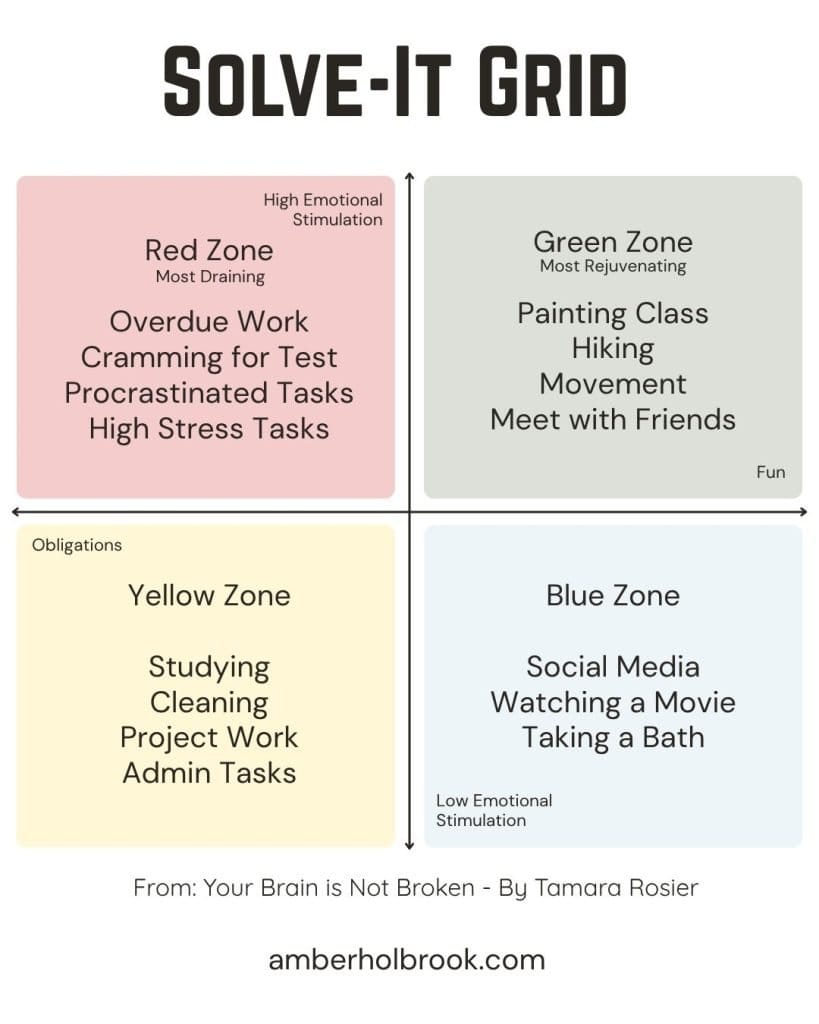
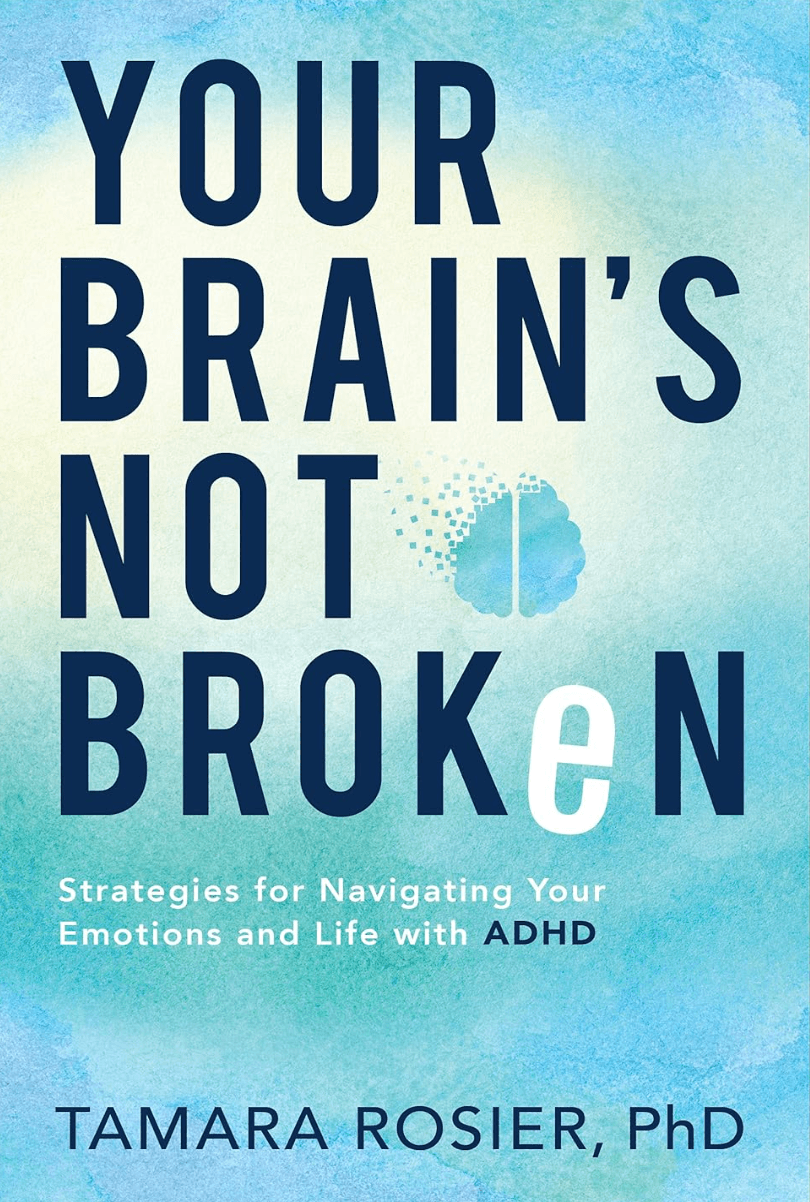
The book Your Brain is not Broken breaks down the “Solve-It Grid”. This matrix helps explain this concept. We have four quadrants: red, yellow, blue, and green. Red and yellow are obligations, red being the most urgent and high-energy. Blue and green are rest/enjoyment, green being the highest energy. You may think that blue activities are the best when you feel depleted because they take the least energy (ie. scrolling your phone at night). However, activities in the green category (ie. taking a paint class), refuel you much quicker.
Fuel and Nourishment
This one may not seem directly related to burnout recovery, but I assure you, it is essential. Re-regulating your body means providing it with the right fuel and the right cues.
First, making sure to eat enough and at regular intervals helps to signal safety in your body. Things like fasting, skipping breakfast, excessive caffeine, sugar, or alcohol intake can all stress our bodies. Try waiting for coffee until after breakfast and/or switching to decaf. Try eating a fiber and protein-rich breakfast before having a pastry to lessen blood sugar spikes. Personally, I have cut alcohol out completely and dramatically limited my added sugar and caffeine intake. This works best for me.
Getting proper nutrients helps fuel your body. There is a lot to this. But, some nutrients are frequently mentioned as potential deficiencies and have a big impact on physical and mental health. These include Vitamin D, Vitamin B12, Vitamin C, Magnesium, and Omega-3s. I discuss that here. However, make sure to speak to your health care provider to discuss what you personally need. Many adaptogens can also benefit your endocrine system and help with burnout recovery. I will go more into that in my next article about burnout recovery tools.

Less is, In Fact, Sometimes More…
High-intensity movement and extreme calorie restriction also stress your body. Studies show that these factors, along with burnout impact metabolic and hormonal systems3.This may result in unwanted weight gain. You may be tempted to increase cardio and decrease calories. However, this can cause your body to return to a state of stress. Achieving weight loss and healing simultaneously is very hard, especially if you throw acute or chronic illness in the mix.
For this, it is best to work with a dietitian and/or your healthcare team to determine what is best. It may look like light movement (ie. walking, yoga, etc.) and strength training. You might consider a meal plan that focuses on low-inflammatory, nutrient-dense foods. Everyone is unique, so this will look different depending on your needs.
Rebuild Routines that Support You
Finally, once you’ve created space and safety, you can rebuild. Create routines that feel good, sustainable, and aligned. Journaling, gentle movement, meal planning, and meditation are all part of my routine. These were essential for me in my burnout recovery journey.
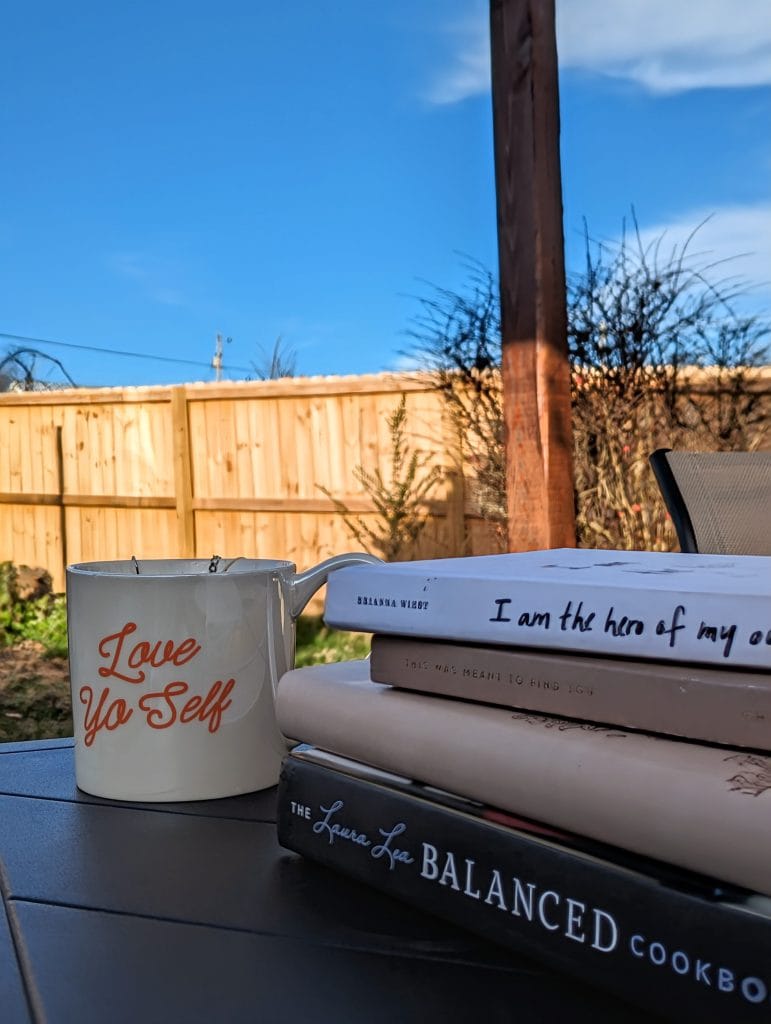
Most importantly, give yourself time and space to just be. You have to LISTEN to your body. A 5 am routine may work for some people. However, that does not mean it will serve you. Take time to experiment with what feels right. You make your own rules.
If collaging verses a written journal resonates, do that! If you love dance but hate the treadmill, schedule a dance class. And, it is okay to make compromises where needed. If you are unhappy at work, but it is not feasible to leave, it’s okay to find joy in other places in your life. Try to navigate how to lessen stress at work. Then plan a future exit if able.
You are in control of what this looks like for you, and there is no right or wrong.
How Long Does Burnout Recovery for Women Take?
This is a big question I get. For some people, it can take a couple of weeks. For others, it may take years to fully recover. This is generally impacted by a few key factors.
- How much time can you dedicate to burnout recovery?
- Can you change or eliminate the root cause of burnout?
- Are you dealing with an acute or chronic illness alongside burnout?
- Are you experiencing typical burnout? Or, is it something like Autistic Burnout or ADHD Burnout?
- Have you done the internal work related to your thoughts and behaviors that contributed to the burnout?
Go through the work of identifying the root cause and think about the factors above. Then, reach out for support!
This might be a great time to seek out support from a mental health expert and/or a coach. A burnout recovery coach can help with identifying the causes. We can help create actionable and manageable steps to move forward. And, offer support, resources, accountability, and empowerment.
Burnout Recovery Workbook
If you are looking for immediate support, here are a few steps you can take right now. First, download my free burnout recovery workbook (above). This has a 30-day guide that has daily journal questions, nervous system reset steps, affirmations, and a reflection section. It also includes some additional tips, tools, resources, and templates to help support this.
Next, feel free to book a free call with me here. I am available to help if you are looking to ask a question, or for coaching or other support. Also, check back in the upcoming weeks for additional articles related to burnout resources and tools. And, check out my resources section for further reading on the topic.
Burnout and Neurodivergence
As mentioned in my last article, burnout can look different for those who are Neurodivergent. So, how does Autistic Burnout or ADHD Burnout Recovery look different than standard burnout?

First, a common behavior is “masking”. In simple terms, this involves changing your behavior around others. This is typically to match what society has designated as “preferred behavior”. This in itself is exhausting. It also touches on a lot of the causes of burnout (ie. community, values mismatch, etc). No longer “masking” is recommended to help lessen burnout, but that isn’t always possible. And, even without masking, some of the burnout causes can still apply
Next, a lot of neurodivergent people report not being able to always identify their feelings. They may also struggle to recognize signals from the body. This would impact recognizing when burnout is happening and can delay or impact recovery. It is highly recommended to work with a professional with expertise in neurodivergence to help work through these specifics.
Burnout and Chronic Illness
This was another topic we started to address in the last article. Burnout can be a contributing factor to chronic illness. And inversely, navigating chronic illness can contribute to burnout.
But how does recovery look for those navigating chronic illness? An important factor to note is that navigating chronic illness in itself takes a lot of additional energy.

For many navigating chronic illness, additional physical rest is needed. We discussed how activities in the green category of the “Solve-It Grid” can refuel us quicker. And while that is true, some of these activities take more physical energy. That can deplete those with a chronic illness at a quicker rate. It is important to be mindful of this and make adjustments as needed to balance the recovery of both.
How do I Prevent Burnout?
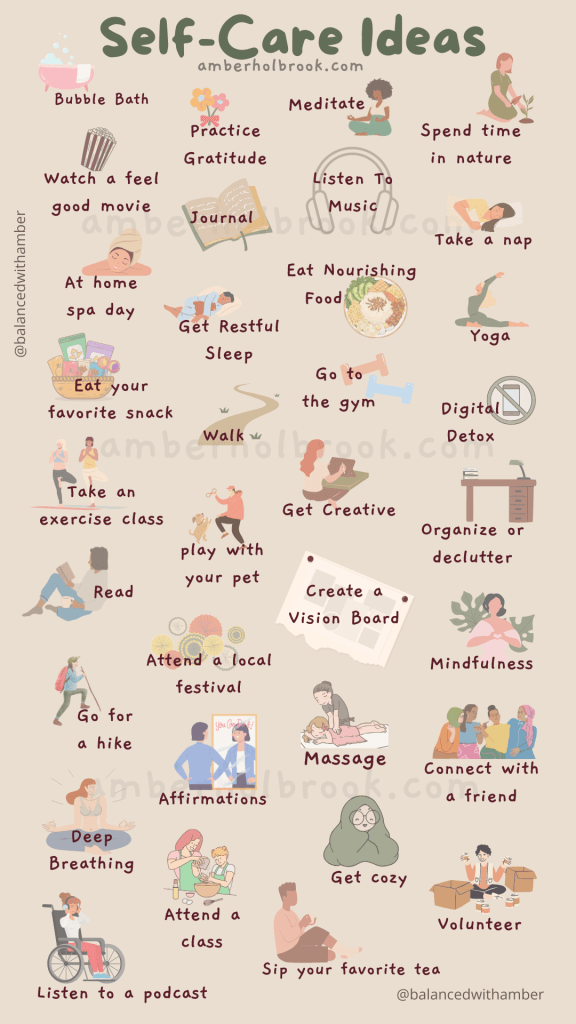
All of the tips above related to burnout recovery can also be applied here. Things like regular movement, meditation, journaling, expressing creativity, setting boundaries, etc., not only help with recovery, but all help with burnout prevention.
Make sure you regularly assess your mental and physical well-being. Evaluate your routines and how fulfilled you feel in life. I recommend a minimum of a monthly audit to assess where you are and make shifts as needed.
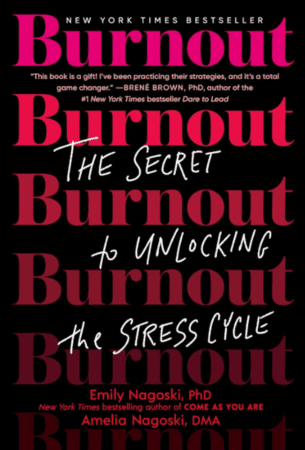
Another good rule of thumb is to follow the 42% rule. Emily Nagoski discusses this in her book Burnout: The Secret to Unlocking the Stress Cycle. This rule states that you should spend 42% of your day resting to avoid burnout (about 10 hours each day). Think about the green and blue zone of the “Solve-It” Grid. You may need more or less time depending on your circumstances so adjust as you need.
Final Thoughts!
Healing from burnout looks different for everyone. And, perfection is the opposite of what we are going for. There are days I don’t journal or move enough. I also still struggle to say no or set boundaries at times. But what I try to do is give myself grace and time to reflect and reset. It prevents me from returning to the cycle of burnout.
We have gone over the causes, signs, and now burnout recovery for women. Hopefully, you are feeling a little less overwhelmed. Comment below, or set up a free call if you have any questions or comments. And don’t forget to download your free Burnout Recovery Workbook.
As always, good luck in your wellness journey. I am sending all of the healing your way!
- Paturel, Amy. “Bolster Your Brain by Stimulating the Vagus Nerve.” Cedars-Sinai, 21 Mar. 2024, www.cedars-sinai.org/blog/stimulating-the-vagus-nerve.html. ↩︎
- “Somatic Self Care.” Www.hopkinsmedicine.org, www.hopkinsmedicine.org/office-of-well-being/connection-support/somatic-self-care. ↩︎
- Yaribeygi, Habib, et al. “The Impact of Stress on Body Function: A Review.” EXCLI Journal, vol. 16, no. 1, 21 July 2017. PubMed, pmc.ncbi.nlm.nih.gov/articles/PMC5579396/, https://doi.org/10.17179/excli2017-480. ↩︎

Well written. Thanks for sharing this.
Thank you so much! I appreciate you stopping by. Have a beautiful week!
Recovering from burnout is a process, and it’s more of an “active” rest than just taking a vacation or taking a few bubble baths. It’s doing to work to help regulate your nervous system and look after your body. It’s saying NO to what doesn’t serve you, or what you simply don’t have the capacity for. It’s having boundaries and not allowing them to be crossed.
As a neurodivergent woman, I’ve dealt with burnout quite a few times. And the big thing for me has been saying NO and building boundaries. As well as having the right routines for me. And knowing how to ground myself when I do start to feel stressed or on the verge of burnout (or a meltdown).
Thank you for this article. This is all such helpful information.
I couldn’t have said it better! Thank you for your insights. I am sending all the good vibes your way. Burnout is tough to deal with but I am glad that you have developed some good systems to support you. Reach out if you are ever looking for support or a listening ear! All the best in your continued journey! ❤️
Thanks for writing this! As a former fitness instructor and trainer, I learned the hard way about burnout. This is a very helpful post!
It is wild just how many of us have dealt with burnout! And it is something we don’t think about in the fitness world enough. I didn’t think that I could have mental or physical health issues being in the gym 2-3hrs a day. I was healthy… until my body just said no more. I wish you all good health in your continued journey! Please reach out if you ever want to chat or are looking for support! ❤️