
Year of Wellness: Finding Balance in Financial Wellness

8 Tips to Help You Achieve Financial Wellness
When we think of wellness, our minds often jump straight to diet, exercise, or mental health. However, one area of our lives that we don’t generally associate with our wellness is our finances. Financial wellness plays a huge role in our overall health, and if you’re looking to create a well-balanced life, it’s important to address your relationship with money.
Let’s break down what financial wellness means, why it is important, and explore some strategies that can help you gain more control over your finances, reduce money stress, and even help you reach all your goals and dreams.

- As a note: The content of this blog is not intended to diagnose, treat, cure, or prevent any disease. It is important to consult with a qualified healthcare professional before making any changes to your diet, exercise, medication, or other health-related routines
- This article contains affiliate links. These links reflect my honest recommendation of products/services, but I may receive compensation if you purchase using my links. As an Amazon Associate, I earn from qualifying purchases
- For additional on these notes, please review our Disclosure Policy
What is Financial Wellness?
Just like any other aspect of wellness, financial wellness is about balance. It means having control over your day-to-day and month-to-month finances, being prepared for the unexpected, and working toward long-term financial goals, whether that’s saving for a home, retirement, or just being able to buy the important things you want or need without guilt or sacrifice.
Financial wellness is feeling empowered and secure with your money situation. It’s about having a healthy relationship with your finances so you’re not constantly stressed and can enjoy your life. Life is about living and prioritizing what is important to you, and financial wellness is the same.
Why is Financial Wellness Important?
We all know why being in control of your finances is a benefit. But, how does it relate to your overall health and well-being? Our financial wellness impacts our health in wellness in so many ways, both directly and indirectly.
First, when we look at direct impacts, choosing how to spend your money is important. How is your healthcare coverage? Are you able to take care of your basic needs? Do you have the funds to help cover a medical emergency? Are the products and food you are buying good for your mental and physical well-being? Where we invest our time and money has a direct impact on our overall wellness.
Financial wellness also indirectly impacts our overall well-being. If you have read any of my other blog articles this year, you may see the theme that too much stress can negatively impact our health in so many ways. Financial stress is no exception. There are also a lot of variables that go along with financial instability that can lead to long-term health issues as well.
The American Psychological Association rates financial stress as one of the top stressors for people in the United States. Studies show that financial stress is linked to things like increased physical pain and an increased risk of cardiovascular issues.1

8 Tips to Help You Achieve Financial Wellness
As someone who experienced financial instability at different points in my life, It can be tough to get out of that cycle. But, there are little steps that can be taken to help you get to a better place financially, regardless of where you’re at. Let’s go over some of the basic steps that have helped me immensely and have worked for so many others.
Warm Up: What beliefs do you hold about money?
Before making any changes or even establishing goals, you need to make sure you are in the right headspace to make changes. Do you feel money is evil or taboo? Do you feel that you don’t deserve to be in a better financial state or that there is nothing you can do to get yourself to a better place? Take time to journal and reflect on this. For more on limiting beliefs surrounding money and how they may be impacting you, check out this great article that dives deeper into this topic!
1. Set Clear Financial Goals
Now that you have mentally prepared yourself to make changes, you need to know your ‘why’. Why is financial wellness important to YOU? What are your financial goals? Are you looking to save for a home, pay off debt, improve your physical health, or just want to stop feeling guilty about treating yourself to that morning coffee?
Start by breaking your goals down into short-term, mid-term, and long-term. Short-term goals could be paying off credit card debt or budgeting for a gym membership. Mid-term goals might include paying off a car loan or building a bigger emergency fund. Long-term goals? Think retirement, investing, or buying your dream home.

2. Create a Budget
Once you know your why, it is time to start planning and creating a budget. I know, the word “budget” probably just made you cringe a little. But listen—budgeting can be empowering, rather than restricting! When you are able to track where your money is going, you gain more control, reducing stress and giving you more freedom to decide how you want to allocate your hard-earned money!
There are many budgeting strategies, such as the 50/30/20 rule2, so you have to find what is best for you. I’ll provide you with some resources on this below. But first, you should spike out your consistent non-negotiables (ie. rent, car payment, insurance), then your variable non-negotiables (ie. groceries), then your wants (ie. lunch dates, Netflix subscription), and saving goals. See if there is any room to reduce expenses (ie. Meal prepping vs. eating out, or canceling a few subscriptions). It is okay to say that your morning coffee is a non-negotiable if it benefits your well-being. You have to find what is important to you and work around that! Being mindful of what you are working towards makes it so much easier to pass up an impulse buy for the dream vacation or the satisfaction of paying off a credit card.
If you are in a situation where you are living paycheck to paycheck or not able to make ends meet, I get it. I have myself been there. Once you have a budget laid out, if it is not meeting your needs, then that is where you can start looking for support and other options, which we will talk about later!
For budgeting tools, there are plenty. Check out this article from NerdWallet that has a pretty detailed list of some of the best budgeting apps, their price, and pros and cons. For most people, free versions are generally adequate, unless there is a specific feature you are looking for. Many financial institutions also have tools built into their websites and may offer free financial advising or support. (Hint: check your local Credit Union as they tend to have lower fees and more support than a bank.)
If you are more of an old-fashioned pen-and-paper person like me, check out a couple of budget planners I have found helpful!
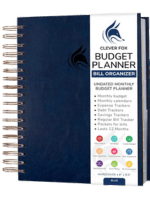
Clever Fox has a huge range of planners, including budget planners. This one is a 12-month planner that has budget, expense, savings, bill, and debt trackers. It also has pockets for bills and is super user-friendly!

If you are looking for something more compact or at a lower price point, this is a great option. It doesn’t have all of the features the Clever Fox planner has, but it still includes the basics that you need to create a solid budget!
3. Tackle Debt Strategically
Debt can feel like a massive weight holding you back. But the good news is that there are ways to manage it without feeling like you’ll be buried forever.
There are two main strategies when it comes to paying off debt: the debt avalanche and the debt snowball. The debt avalanche method involves paying off the debt with the highest interest rate first (usually credit cards) to minimize what you’re paying in interest. The debt snowball method has you pay off your smallest debts first, so you get those wins under your belt quickly.3
The biggest thing to remember is that consistency is key. An extra $10 a week may not seem like much, but it pays off. This is especially true if you are able to make more frequent ‘principal-only’ payments. You may also consider debt consolidation or transfer, but be wary of anyone trying to push you into a ‘debt consolidation’ or ‘cash advance’ program, as many of them are scams or come with large fees
4. Build an Emergency Fund
Life happens, and many times, it is when you least expect it. That’s where an emergency fund comes in. An emergency fund is your financial cushion—money that you’ve set aside for unexpected expenses (think medical bills, car repairs, or job loss). A general recommendation is to aim for 3-6 months of living expenses.
Start small if you need to—set aside even $20 a week. Consider a high-yield savings account to earn a little more interest on your emergency savings. I use one through my Credit Union. Shop around for something convenient, has decent rates, and meets your needs.

5. Invest in Your Future
Once you have a budget started, you have started paying down your debts, and have an emergency fund going, now what? While saving for retirement may not sound as fun as saving for vacation, it’s just as important (if not more so).
If your workplace offers a 401(k) with a company match, that’s essentially free money, so take full advantage of it. If not, consider opening an IRA (Individual Retirement Account), either a Traditional IRA or a Roth IRA. The main difference? With a Roth IRA, you pay taxes now and withdraw the money, with any earnings tax-free later. With a Traditional IRA, you defer taxes until retirement, but then you’ll have to pay taxes on the funds you put in, as well as the earnings when you withdraw. Speak to a tax advisor or financial planner if you are not sure which is right for you.
There are also other types of investments outside of retirement accounts. You can look into brokerage accounts, CDs, or other investing tools depending on your risk and purpose for the funds. I personally use a brokerage account and diversify between money market funds, mutual funds, and a few individual stocks. The less diversified something is, the greater the risk it comes with. So it’s best to weigh your risk and understand the market, or consult a professional who does.
If you want to start small, check out Acorns or a similar app. Acorns can automatically invest your spare change, give you cash back with certain retailers, provide educational information, and there is no account minimum. They also offer a sign-on bonus ($20 through the link above at the time of writing this).

6. Further Educate Yourself
To truly grasp what is best for your personal financial situation, it is important to gather additional information. You don’t need to become an expert, but educating yourself on basic financial concepts like budgeting, saving, investing, and debt management can give you the confidence to make smart money decisions and know what steps you need to take to get you to where you want to be.
There are so many free or low-cost resources out there, including podcasts, books, and online courses. Some of my favorites include:
- Books:
- Get Good with Money by Tiffany Aliche – This is a great beginner-friendly book that does an amazing job at simplifying financial education
- The Psychology of Money by Morgan Housel – As the name implies, this book breaks down the psychology of our financial habits to help us move forward in our financial wellness journey!
- Podcasts:
- Online Resources:
For additional book recommendations, check out my Resources page, which is updated regularly.
7. Find Ways to Increase Your Income
Okay, so you read the books, are budgeting and paying down debts, but still don’t feel you are where you need to be? There are a couple of options here. First, if your income is not meeting your basic needs, check out resources such as usa.gov and findhelp.org, or reach out to services in your local area to see if any resources would be available to you.
If your income is meeting your basic needs, but you are still falling behind on your goals, it is time to assess whether there are any opportunities to increase your income. This may mean looking into and working towards a raise or promotion at work, or switching companies. Maybe it means utilizing your resources at work to advance your education or get certification that could increase your pay. It may also mean looking into income options outside of employment through a second job or “side hustle”. Or, it may mean switching your career field or starting your own business if that is your goal and financially accessible to you. All of these options come with their own struggles as well. However, if you utilize the resources and support around you, you may find that you can reach that goal.

8. Check in on Your Financial Wellness Regularly
Finally, Financial wellness isn’t a “set it and forget it” thing. Just like your fitness or mental health, your finances need regular attention. Make it a habit to review your budget, check in on your goals, and tweak things as needed. I like to do this monthly with a larger review yearly.
It’s also important to give yourself grace. No one is perfect with money all the time (even the financial gurus mess up!). The goal is to find balance.
Bonus: Be Wary of Scams
If something seems too good to be true, it probably is. No, you don’t have an inheritance or lottery winning waiting for you once you pay a ‘fee’ to receive it. You are not going to make $10,000 a day if you just give the stranger DM’ing you some money or your information to get started. And no, that check that you were given to cash and forward part of it is not valid.
As a former Fraud Investigator, I heard these stories daily. These fraudsters target those who are most in need of money by promising them an offer that seems impossible to turn down. They may impersonate a lawyer, employer, love interest, old friend, tech support, or another role. And, newer technologies and AI are making it even harder to detect a scam. Cashing a fraudulent check, even unknowingly, can lead to further financial or even legal trouble as these scams are used by fraudsters to launder money for criminal activities.
Make sure that if you are investing your money, applying for jobs, or anything that involves your personal or financial information or exchange of money, you are vetting and questioning everything, and only proceed with trusted situations. This will help ensure you don’t end up in a worse financial situation than you started.

Conclusion
Financial wellness doesn’t have to be stressful or overwhelming. Just like every other area of wellness, it involves setting realistic goals and making progress one step at a time. By using the tools and tips we’ve talked about here, you can start building a strong financial foundation that supports not just your bank account but your overall well-being.
Remember, financial wellness is just as important as your physical and mental health—it all ties together! If you start with baby steps today, you’ll quickly feel more in control, less stressed, and one step closer to the financial freedom you are looking for.
If you are still feeling overwhelmed, reach out for support. I have been in situations where I didn’t have enough to pay my monthly bills while also dealing with the struggles of chronic illness and not knowing where to turn. Now, I am in a place where I was able to quit my job to work to better my health and was even able to start my own business as my health improved. I am debt-free and progressing to financial freedom, and I got there by using the steps above.
Good luck in your journey to financial freedom, and I look forward to seeing where the journey takes you!
- Weida, E. B., Phojanakong, P., Patel, F., & Chilton, M. (2020). Financial health as a measurable social determinant of health. PLoS ONE, 15(5). https://doi.org/10.1371/journal.pone.0233359 ↩︎
- Whiteside, Eric. “What Is the 50/20/30 Budget Rule?” Investopedia, 17 Sept. 2022, www.investopedia.com/ask/answers/022916/what-502030-budget-rule.asp. ↩︎
- Eneriz, Ashley. “Debt Avalanche vs. Debt Snowball: What’s the Difference?” Investopedia, 13 Apr. 2022, www.investopedia.com/articles/personal-finance/080716/debt-avalanche-vs-debt-snowball-which-best-you.asp. ↩︎







Lot’s of very important information in this blog. Very well written and thought out!
Thank you so much for stopping by! I am glad it resonated with you! Let me know if you have any questions and have a great rest of your week!