Balance Hormones Naturally: 5 Simple Strategies

Are you dealing with PCOS, Diabetes, Hypothyroidism, or another hormone-related condition or imbalance? Or, are you just feeling a little tired, dealing with brain fog, or just not feeling like your best self? Looking for answers to help relieve some of your symptoms and balance hormones naturally? Well, you are not alone, and you are in the right place!
In my last article, we reviewed what hormones are, symptoms and conditions related to hormonal imbalance, and the next steps. Today, we will review the 5 research-backed strategies that can help balance hormones naturally. I will follow up next week with an additional 5 tips and resources that will aid you further. These strategies are what I used to reverse my PCOS and may just be what you need to get your hormones in alignment and feel great again.

- As a note: The content of this blog is not intended to diagnose, treat, cure, or prevent any disease. It is important to consult with a qualified healthcare professional before making any changes to your diet, exercise, medication, or other health-related routines
- This article contains affiliate links. These links reflect my honest recommendation of products/services, but I may receive compensation if you purchase using my links. As an Amazon Associate, I earn from qualifying purchases
- For additional on these notes, please review our Disclosure Policy
5 Lifestyle Changes to Help Balance Hormones Naturally
1. Prioritize Whole, Nutrient-Dense Foods
What you eat plays a huge role in your hormonal health. There is not one specific diet or meal plan that is going to balance all of our hormones. Everyone is different, but here are a few general guiding principles.
Focus on a diet rich in whole foods like fruits, vegetables, healthy fats, and lean proteins. Nutrient deficiencies can throw off your hormones, so it is important that you are eating enough of the right foods. I personally saw a huge difference in my PCOS symptoms when I started eating to nourish my body rather than restrict it. I found that focusing on foods that were nutrient-dense and supported my hormones made a huge impact on my progress in balancing my hormones naturally.

Another focus is to reduce inflammation in the body, as chronic inflammation can be a major underlying factor in many chronic diseases and hormonal dysregulation. One way to help reduce inflammation is through our diet. Here are typical inflammatory foods that most studies recognize1:
- Processed meat: i.e. bologna, bacon, lunchmeat
- Refined carbs: i.e. baked goods, breads, and pasta made with white flour
- Fried foods: i.e. fast food, donuts
- Refined sugars: i.e. candy, pop
- Artificial trans fats: i.e. margarine
- Alcohol – a known disruptor in the endocrine system2
Some people also report issues with dairy, wheat, caffeine, soy, nightshades, certain additives, or other common intolerances. Ultimately, you have to listen to your body. You can always try an elimination diet or just temporarily remove a particular food and gauge how you feel. As a note, long-term removal of large groups of food is generally not recommended unless medically necessary. The goal is to be able to find balance and allow your diet to change as your body changes.
For more basics on nutrition, check out my blog article on Nutritional Wellness here!
2. Exercise and Move Regularly – but Keep it Gentle
Before my health issues, I was in the gym for 2-3 hours a day, nearly every day of the week. I was lifting heavy weights and doing intense cardio. On top of not fueling my body enough, I was overstressing it. When my health declined and my weight began to increase while my muscle mass decreased, I was baffled. I now focus on low-impact, consistent routines, and the results have been amazing.
Why low impact? A couple of reasons. First, high-intensity exercises can increase cortisol levels and stress the adrenals and endocrine system as a whole.3 Second, if you are already dealing with a hormone-related condition or any other acute or chronic condition, your body may not be able to recover from high-intensity exercise as well. This can lead to a worsening of your condition and no actual benefit in the gym. Low-impact exercises still give you the benefit of movement but also help to balance hormones naturally.

So, what is low-impact exercise? Low-impact exercises generally include activities like walking, yoga, body weight or lighter dumbbell exercises, resistance bands, and stretching. Try to find a combination and frequency that feels good for you. Regular movement throughout the day is also super important for our overall health and should be prioritized. If you want some tips on how to easily incorporate movement into your day, check out my article on Physical Wellness.
3. Reduce Stress
Stress is closely related to the endocrine system and hormone production. Stress can specifically trigger or alter the activity of multiple endocrine processes related to the hypothalamus, pituitary and adrenal glands, the adrenergic system, thyroid, and pancreas.4
When we live in a constant state of stress, our body stays in a “fight-or-flight” mode, further depleting our bodies, impacting our physical and mental health, and not allowing our bodies to heal. This made a difference in my journey and has helped to balance my hormones naturally.
So, how do I reduce stress? It can be hard as life doesn’t stop, but reflecting on what is important in life and finding ways to eliminate stressors when able is the first step. Next, make sure you are practicing self-care. I have an in-depth guide on that here. Finally, it is important to find coping strategies, like breathing exercises, to deal with stressors that cannot be eliminated or avoided.

4. Prioritize Sleep
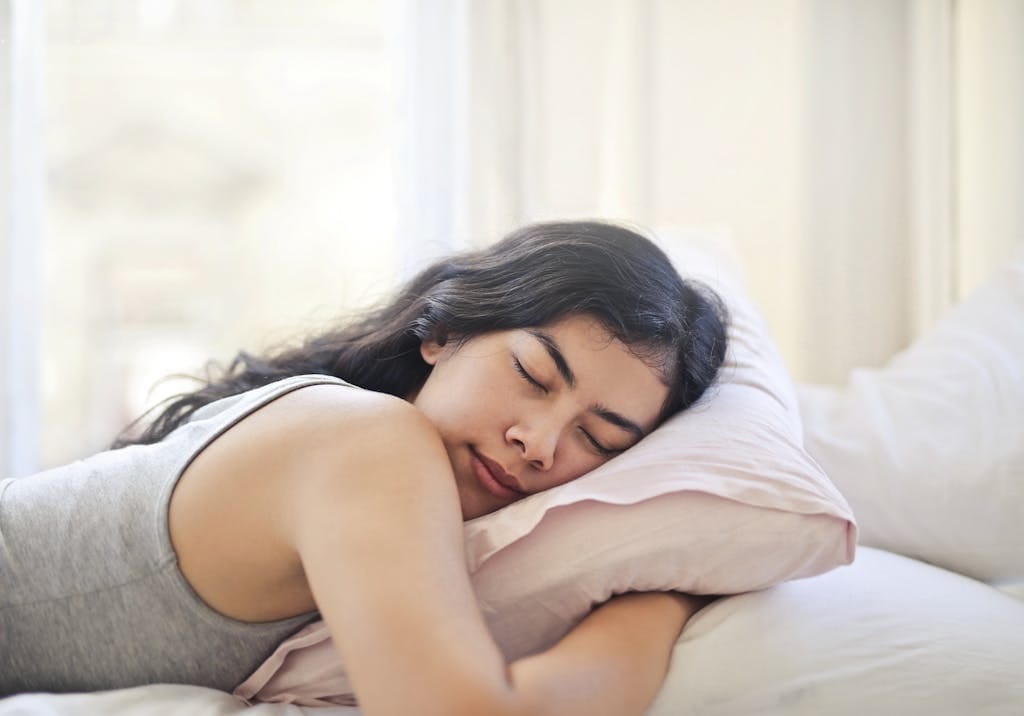
Sleep has so many benefits, but is especially necessary to balance hormones naturally. Sleep disturbances and deprivation are associated with an increased risk of insulin resistance, diabetes, and dysregulation of many of our hormones.5
How much sleep do I need? It is generally recognized that around 8 hours is recommended for healthy adults. However, there are some studies that show that women and those with chronic or acute health issues may require more. Listen to your body.
How do I ensure a good night’s sleep? There are many steps you can take, including developing morning and evening routines, shutting off electronics, darkening and cooling the room, and having a comfortable sleeping setup.
5. Reduce Exposure to Endocrine Disruptors
Even when we do everything right, sometimes there are factors out of our control. Unfortunately, a lot of things we use daily have chemicals classified as endocrine disruptors. Although we most likely cannot avoid all of them, there are still steps we can take to reduce this exposure.
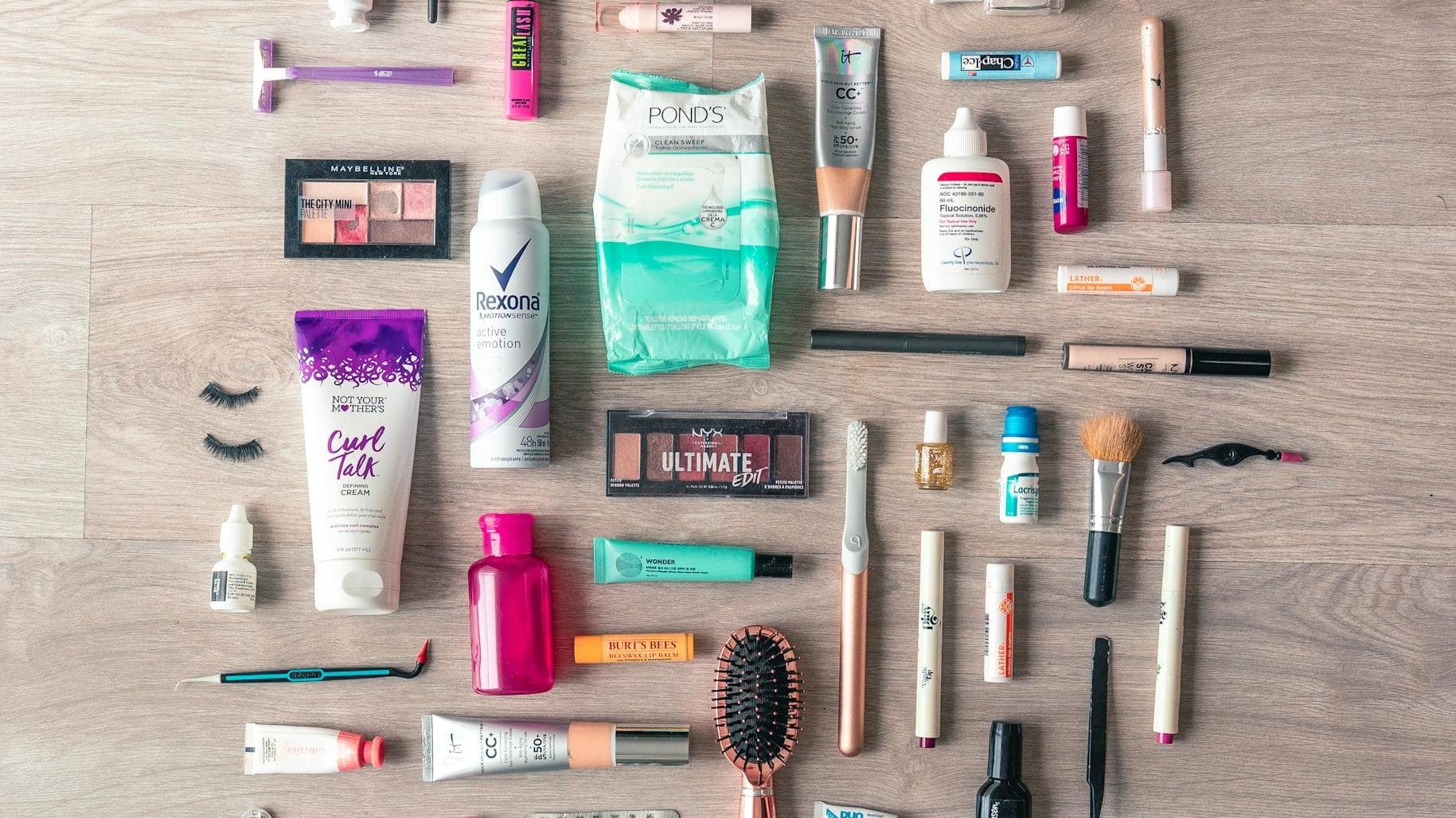
How do I know what includes endocrine disruptors? For many skin care and similar products, you can use applications like Yuka or the EWG. These apps allow you to scan products to see the risks. Medications such as birth control pills, corticosteroids, and some psychiatric medications also fall under the umbrella of endocrine disruptors.6 Phytoestrogens may also fall into that category. Some studies show that fluoride may also impact hormone production and slow down the thyroid in particular, but this is debated in the medical community.7 Below are some common endocrine-disrupting chemicals as well8:
- Multiple Pesticides and Herbicides
- BPAs – in food packaging, toys, the lining of some canned foods, and other plastics.
- Dioxins – made during the making of herbicides and paper bleaching.
- PFAs – chemicals used in industrial settings, nonstick pans, paper, and others.
- Phthalates – found in some food packaging, cosmetics, fragrances, children’s toys, and medical device tubing.
- PBDEs – flame retardants in furniture and carpet.
So, how do I avoid endocrine disruptors? For food, try to buy organic and minimally processed when able. Wash your fruits and vegetables. Use the apps mentioned above or research to find “clean products”. These can be used for your makeup, haircare, and other products applied to the body. Try using glass or stainless steel over plastics and nonstick materials. Use a water filter that removes toxic chemicals. If taking the medications listed above, work with your doctor to determine if the benefits outweigh the risks.
We cannot eliminate all of these, and we don’t necessarily need to. Our body has a natural ‘detox’ system. The concern is when we are exposed to too much, too quickly. Limiting exposure where it is easier to do so makes it easier for our bodies to balance hormones naturally and care for itself in general.
Conclusion
Balancing hormones naturally can seem like a challenge. However, with the right strategy, you may be able to do just that. For some, it may take some medical intervention. For others, just the simple changes above might be enough! I found proof of that when my doctor confirmed that I no longer fit the diagnostic criteria of PCOS. And, everything related to that diagnosis, such as my insulin resistance and high testosterone, was no longer present.
If you are feeling overwhelmed, just remember that small changes over time can make a big difference. Check out this article here for 5 additional tips and resources to further help balance hormones naturally. If you are looking for additional support, reach out to me here for a free consultation and discussion on how I can support you in this journey!
- Snead, Lara. “Anti Inflammatory Diet.” Www.hopkinsmedicine.org, 4 Apr. 2023, www.hopkinsmedicine.org/health/wellness-and-prevention/anti-inflammatory-diet. ↩︎
- Bishehsari, Faraz, et al. “Alcohol and Gut-Derived Inflammation.” Alcohol Research: Current Reviews, vol. 38, no. 2, 2017, pp. 163–171, www.ncbi.nlm.nih.gov/pmc/articles/PMC5513683/. ↩︎
- “Is Your Workout Messing with Your Hormones?” Mindbodygreen, 4 Dec. 2017, www.mindbodygreen.com/articles/is-your-workout-messing-with-your-hormones. ↩︎
- Liu, Yun-Zi, et al. “Inflammation: The Common Pathway of Stress-Related Diseases.” Frontiers in Human Neuroscience, vol. 11, no. 316, 20 June 2017, dx.doi.org/10.3389%2Ffnhum.2017.00316, https://doi.org/10.3389/fnhum.2017.00316. ↩︎
- Kim, Tae Won, et al. “The Impact of Sleep and Circadian Disturbance on Hormones and Metabolism.” International Journal of Endocrinology, vol. 2015, no. 591729, 2015, pp. 1–9, www.ncbi.nlm.nih.gov/pmc/articles/PMC4377487/, https://doi.org/10.1155/2015/591729. ↩︎
- Government of Canada, Canadian Centre for Occupational Health and Safety. “Endocrine Disruptors : OSH Answers.” Www.ccohs.ca, 2 June 2020, www.ccohs.ca/oshanswers/chemicals/endocrine.html. ↩︎
- Skórka-Majewicz, Marta, et al. “Effect of Fluoride on Endocrine Tissues and Their Secretory Functions — Review.” Chemosphere, vol. 260, 1 Dec. 2020, p. 127565, pubmed.ncbi.nlm.nih.gov/32758781/, https://doi.org/10.1016/j.chemosphere.2020.127565. ↩︎
- National Institute of Environmental Health Sciences. “Endocrine Disruptors.” National Institute of Environmental Health Sciences, 6 Feb. 2024, www.niehs.nih.gov/health/topics/agents/endocrine. ↩︎