
Year of Wellness: Finding Balance in Nutritional Wellness

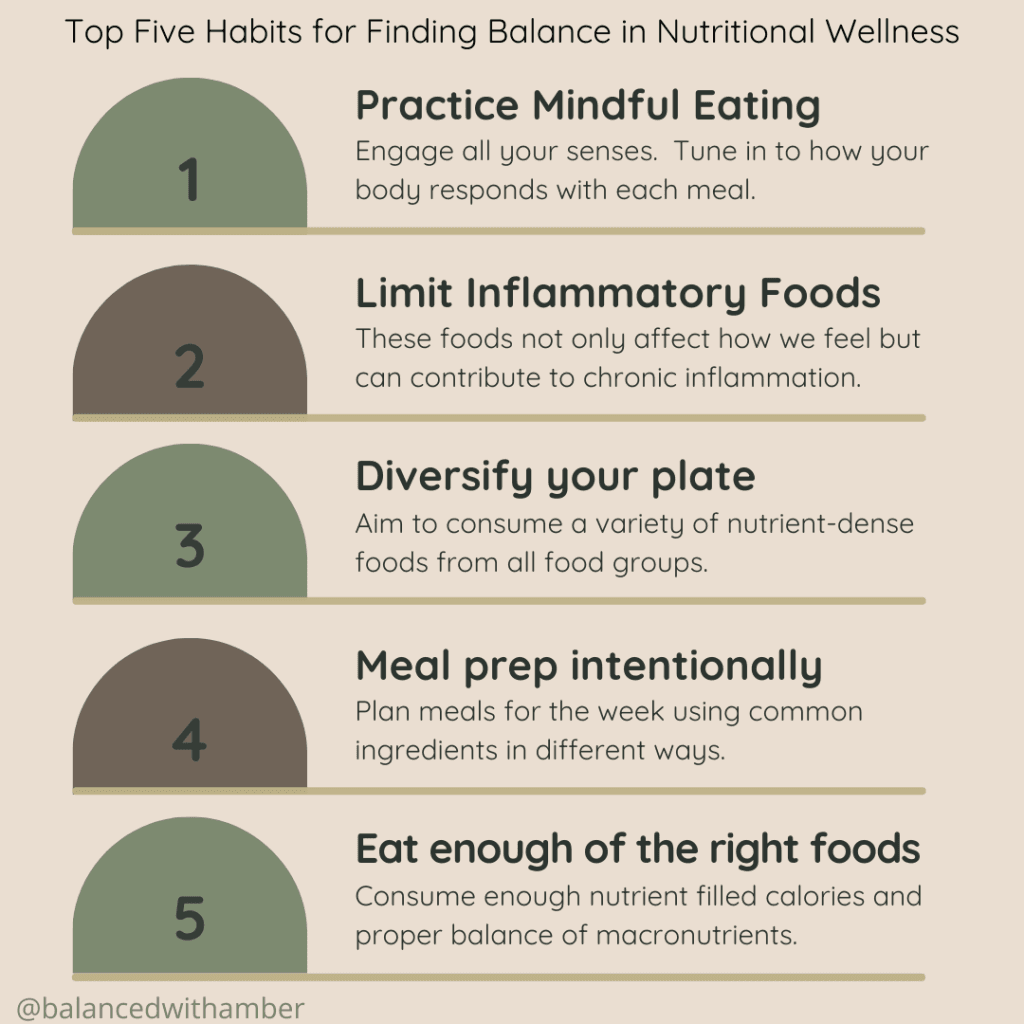
Top five habits for finding balance in Nutritional Wellness
Not to sound corny but nutrition is like the bread and butter of wellness. In my last post, we identified that wellness encompasses every aspect of our lives. While all aspects are vital, nutritional wellness often serves as the foundation, providing the energy necessary to embrace other dimensions of well-being.
But, how many of you are exhausted by all the new, conflicting info that gets thrown at us on the daily? Eat plant-based, or is it carnivore? Intermittent fasting will get you to peak health, except it is bad not to eat within 30 minutes of waking? What do you trust?
I have tried it all and have found that we are all unique and respond differently to things. So the right answer is likely somewhere in the middle of all of the polarizing information. So, let’s take it back to the basics. Learn how to listen to your body and find the right method for you! Let’s discuss five basic, transformative habits that positively impacted my life and are backed by scientific evidence to initiate lasting change.

- As a note: The content of this blog is not intended to diagnose, treat, cure, or prevent any disease. It is important to consult with a qualified healthcare professional before making any changes to your diet, exercise, medication, or other health-related routines
- This article contains affiliate links. These links reflect my honest recommendation of products/services, but I may receive compensation if you purchase using my links. As an Amazon Associate, I earn from qualifying purchases
- For additional on these notes, please review our Disclosure Policy
1. Practice Mindful Eating
Amidst my struggles with various diets, I finally came to an important realization – each body is unique. When I started focusing on what foods I enjoyed and what made me feel good, rather than what today’s fad diet was telling me what I should eat, everything changed.
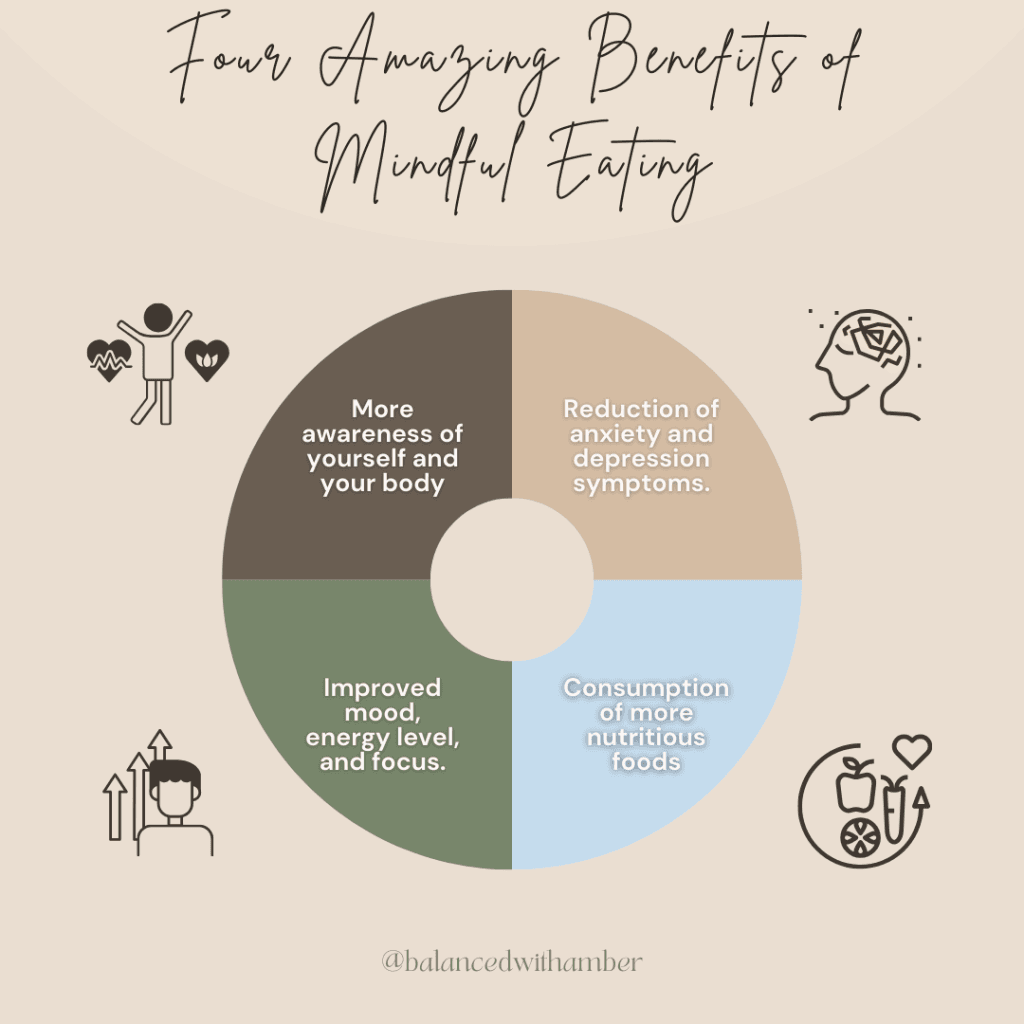
The next time you sit down to eat, I encourage you to practice the basics of mindful eating. Try savoring every aspect of your meal, engaging all your senses. How does it taste, smell, feel? Then take it a step further. Tune in to how your body responds before, during, and after each meal. Are you energized, happy, and feel good? Or are you bloated, tired, and irritable? Pay attention to the signals that your body provides. This reflection is pivotal in helping you to hone into the eating habits that will get you to peak wellness.
Listening to our bodies offers profound insights. I discovered that refined sugars triggered headaches and fatigue. Eliminating alcohol significantly improved my mental and physical well-being. A high-protein, nutrient-dense breakfast kickstarts my day with energy and positivity. Making these three changes alone was life-changing and didn’t take much adjustment to implement.
2. Limit Inflammatory Foods
This is a game-changer! First, it is important to remember that what works for one may not for another. Use mindful eating as a guide to limit or cut out inflammatory foods from your diet, but unless the food is negatively impacting your wellness, it is not always necessary to completely remove it from your diet. You know your body better than anyone.
With that being said, here are typical inflammatory foods that most studies recognize2:
- Processed meat: i.e. bologna, bacon, lunchmeat
- Refined carbs: i.e. baked goods, breads, and pasta made with white flour
- Fried foods: i.e. fast food, donuts
- Refined sugars: i.e. candy, pop
- Artificial trans fats: i.e. margarine
- Alcohol3
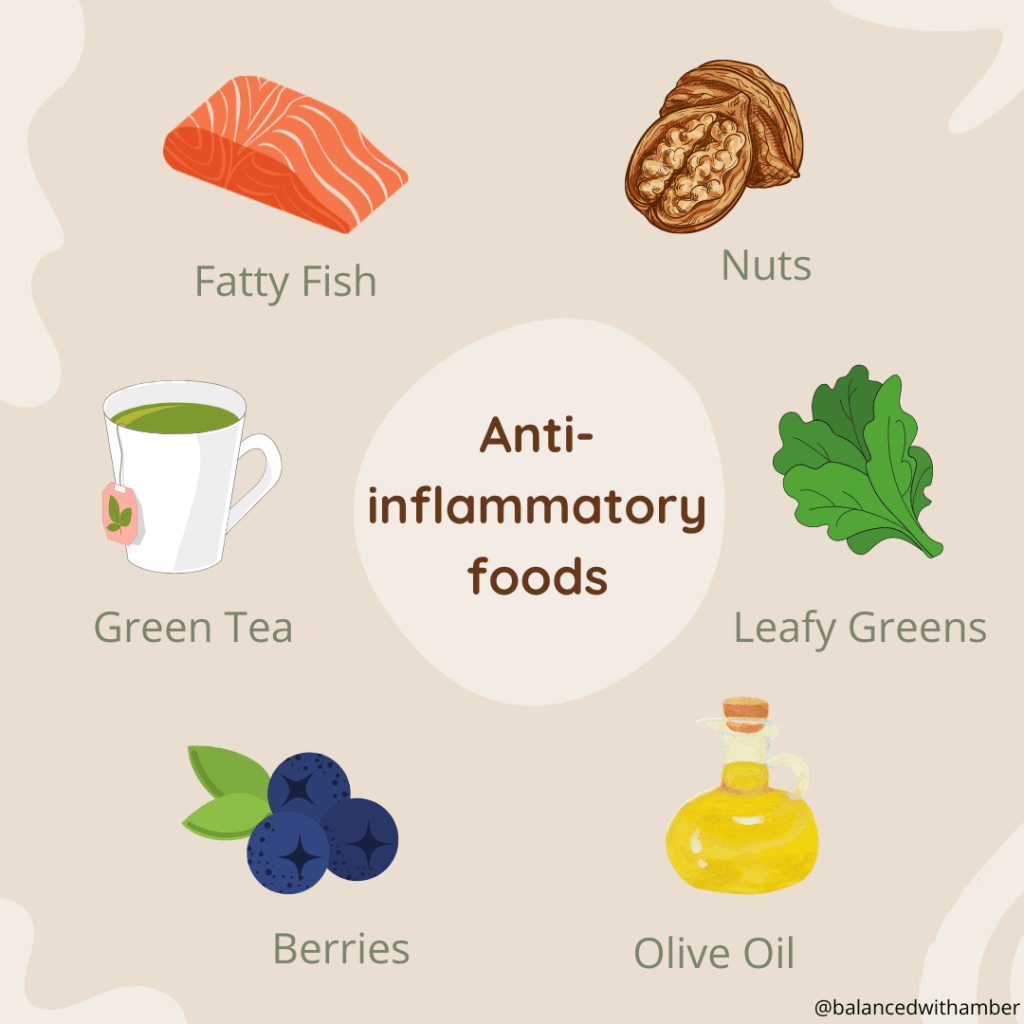
These foods not only affect how we feel but can contribute to chronic inflammation. Diseases with links to chronic inflammation include Diabetes, Cancer, and many Autoimmune conditions, among others. Instead, opt for more anti-inflammatory foods, like those listed below.
3. Diversify Your Plate With Nutrient-Dense Foods
Wondering what to eat? The idea of “eating the rainbow” is a great place to start when looking at nutritional wellness. A colorful array of fruits and vegetables provides a spectrum of nutrients. Aim for half your plate to be vegetables and balance with carbs, fats, and proteins. In Liz Moody’s Book, 100 Ways to Change Your Life, she talks about aiming for 30 different plants in your diet a week for the best gut and overall health, based on many recent studies.
Even then, not all food is created equal. Look for foods that are local, bonus points if regeneratively grown. This helps to know where your food is coming from and is much more likely to be more nutrient-dense due to the practices used in regenerative farming.
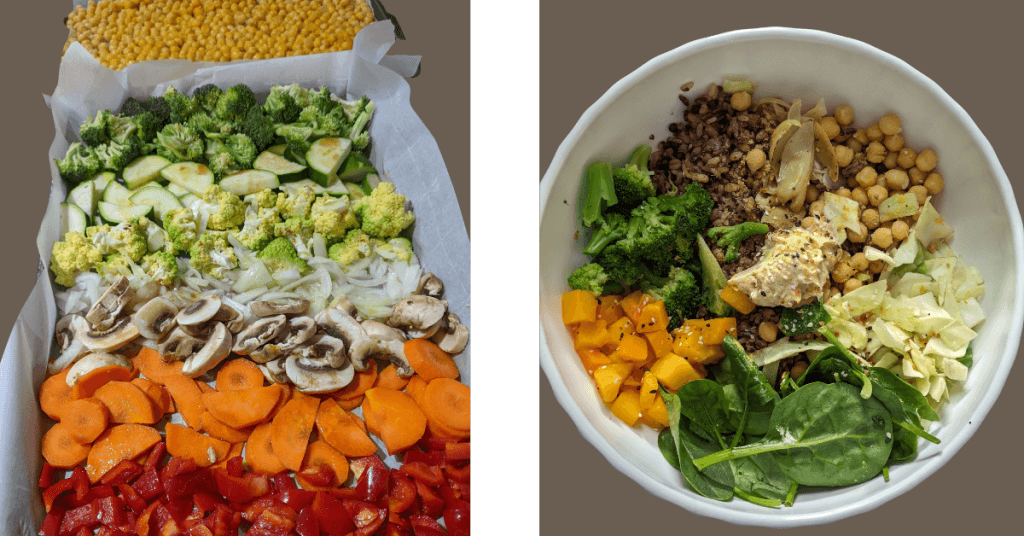
TIP: Not sure how to get in good nutrient-dense meals – try a protein bowl! Pick a grain, protein, fat, and a few different veggies and mix it all. These are super versatile and customizable and allow you to meal prep while still being able to switch up what you are eating throughout the week.
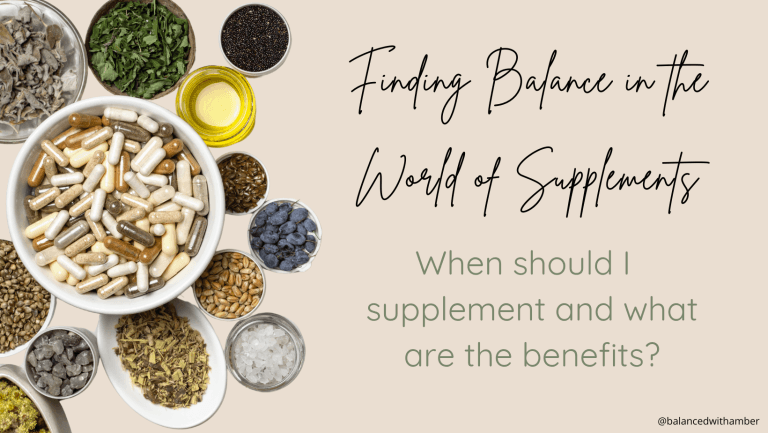
What if you are still lacking something? It may be beneficial to supplement your diet. Click here for a closer look into how to know when to use supplements and what to look for when choosing them.
You can also ask your healthcare professional to run blood tests to see where you have deficiencies. If you do not have a trusted healthcare professional, no insurance, or just want to run tests on your own, check out Health Labs. They are a top-rated, certified provider with over 500 affordable test options and information on how to interpret your results. I have linked their Vitamin and Mineral testing page. Note: as always, I would still encourage speaking to a healthcare professional before making any changes based on lab results.
4. Get Intentional With Meal Prepping
I am just too busy…In our fast-paced lives, finding time to eat well can be challenging. Meal prepping became essential for my nutritional wellness by helping me maintain a balanced, nutrient-dense diet. First, I recommend planning meals for the week, allowing the use of common ingredients in different ways. Dedicate a day to prep as much as possible. Sheet pan meals and protein bowls, as mentioned above, are my go-to’s for this. You can also try things like overnight oats, or prepping adult-style lunchables or snack packs that are great for on-the-go eating or when you don’t have the time or energy to cook a meal.
There are a few kitchen staples I use for my meal prep that make cooking and storing food so much less stressful as well. Take a closer look into the must-haves in my kitchen and how to use them to get the most out of your meal prepping.
5. Make Sure You Are Eating Enough of the Right Foods
Let’s discuss calories and macronutrients. I saved this one for last because if you are anything like me, tracking these metrics can bring a lot of stress. This should not be your primary focus when thinking about nutritional wellness as a whole; listening to our bodies is going to bring us the most answers. But, if you are just starting to learn about nutrition or if you have struggled with knowing how much and what to eat, it is important to understand.
If you are reading this, you likely grew up being inundated with media telling you to just eat less. I am here to tell you that you have been lied to! I spent over a decade with around a 1200-calorie diet thinking that is what I should be eating. THIS IS NOT ENOUGH! When I found this out, boy was I heated!
After working with nutritionists, personal trainers, and doctors, and listening to my body, I eat between 1800-2200 calories now depending on my activity level and whether I am looking at a maintenance or calorie deficit. Wow, did that make an immediate difference in my energy, brain fog, inflammation, etc. The craziest thing was that this calorie increase also helped me lose some weight as it improved my metabolism and my thyroid health.
It may be beneficial for you to work with a professional to find how much you should be eating based on your height, weight, activity level, and nutritional wellness goals. But, do not rely on anything that tells you that 1200 calories or less is sustainable. This is likely to result in nutrient deficiencies and additional health issues.
Finally, what are macronutrients and why are they important? These are your carbs, fats, and proteins. They are what fuel and give you energy. Finding the balance with this is also something you will want to experiment with and/or speak to a professional. There are general ranges but everyone is different and may need more or less of the recommended percentages based on their specific goals or needs. For reference, the general recommended ranges are5:
- Carbohydrates: 45-65% of total daily calories
- Protein: 10-35% of total daily calories
- Fat: 20-35% of total daily calories
Personally, when I tracked my meals daily, it was not sustainable or mentally healthy for me. So, I choose a day or two now and then (especially if I am switching up things in my typical eating habits) to make sure I am still on track for my goals and adjust accordingly.
P.S. Although macros are important, remember my third tip and don’t forget about the micronutrients.
Looking For More on Nutitional Wellness?
Feeling like you have a little better grasp on balance with your nutritional wellness? If you want to dive deeper,refer to the footnotes below with more detail on the items covered above. You can also take a look at Gentle Nutrition by Rachel Hartley, who talks about how to build a healthier relationship with food through intuitive eating. There is also a range of cookbooks out there, such as The Blue Zones Kitchen by Dan Buettner. If want additional resources, comment below or send me a message and I can give you recommendations specific to what you are looking for on your journey to nutirional wellness. Also, check my resources page for my book recommendations which are updated regularly!
If you want a little simpler option, check out a meal delivery service. A few of the top-rated options that have customizations for specific nutritional wellness and dietary needs include (click the links below for great introductory offers of each):
I also use Thrive Market for buying a lot of my staples. Almost all of their products use exclusively clean ingredients and they have an auto-ship option so I have created a list of staples I like in my diet and it ships it right to me. This saves me hours that I would previously spend at the grocery store reading nutrition labels, picking up things I didn’t need, and forgetting half of the things I went there for. They are also the first online grocery retailer to accept SNAP benefits. They offer 30% off your purchase & a $60 FREE gift when you join!
Conclusion
By listening to our bodies, eliminating what doesn’t serve us, and embracing what makes us feel good, we become that much closer to finding balance with nutritional wellness as well as overall well-being. Nutrition can feel overwhelming, but I am here to bring some clarity and simplicity to the subject. We are still learning every day, but when we focus on trusting our gut and listening to our body, I think you will find that you already have most of the answers. And once you have a good foundation down, you can start to build off that to truly hone in on what best serves you!
As always, I’m eager to hear from you! What questions do you have about nutritional wellness? What additional tools can I provide to support your journey? If you are looking for additional support, book a FREE introductory call with me to see if health coaching may be right for you or if there are any other resources I can provide for you!
- Harvard School of Public Health. “Mindful Eating.” The Nutrition Source, 14 Sept. 2020, www.hsph.harvard.edu/nutritionsource/mindful-eating/. ↩︎
- Snead, Lara. “Anti Inflammatory Diet.” Www.hopkinsmedicine.org, 4 Apr. 2023, www.hopkinsmedicine.org/health/wellness-and-prevention/anti-inflammatory-diet. ↩︎
- Bishehsari, Faraz, et al. “Alcohol and Gut-Derived Inflammation.” Alcohol Research: Current Reviews, vol. 38, no. 2, 2017, pp. 163–171, www.ncbi.nlm.nih.gov/pmc/articles/PMC5513683/. ↩︎
- Harvard Health Publishing. “Foods That Fight Inflammation.” Harvard Health, Harvard Health, 7 Nov. 2018, www.health.harvard.edu/staying-healthy/foods-that-fight-inflammation. ↩︎
- Institute of Medicine (US) Committee to Review Dietary Reference Intakes for Vitamin D and Calcium, et al. “- Dietary Reference Intakes for Calcium and Vitamin D – NCBI Bookshelf.” Nih.gov, National Academies Press (US), 2011, www.ncbi.nlm.nih.gov/books/NBK56068/table/summarytables.t5/?report=objectonly. ↩︎


You’ve hit on so many key points on anti-inflammatory eating. I’m looking forward to more of your posts this year.
Thank you so much! I appreciate you taking the time to stop by and read my post. It really means a lot! I will be covering alittle about all topics surrounding balance in wellness, but if there is something in particular, you would like to see, let me know. I also post a lot of tips on instagram if you are interested in following – @balancedwithamber. I hope you have the best day!